Jorron ka dard (جوڑوں کا درد), or joint pain, affects millions of people in Pakistan, especially after 40. Knees, back and shoulders are the most common problem areas. Weight, age, long standing hours, old injuries and arthritis all play a role. Alongside medical care, many families use traditional herbs and oil massage for comfort.
Common types of joint pain
- Osteoarthritis (wear and tear): common in knees and hips with age and weight.
- Rheumatoid arthritis: swelling and stiffness in many joints, often in the morning. Needs a doctor.
- Uric acid (gout): sudden, very painful swelling, often in the big toe.
- Muscle and back strain: from lifting, poor posture or long sitting.
Herbs traditionally used for joint comfort
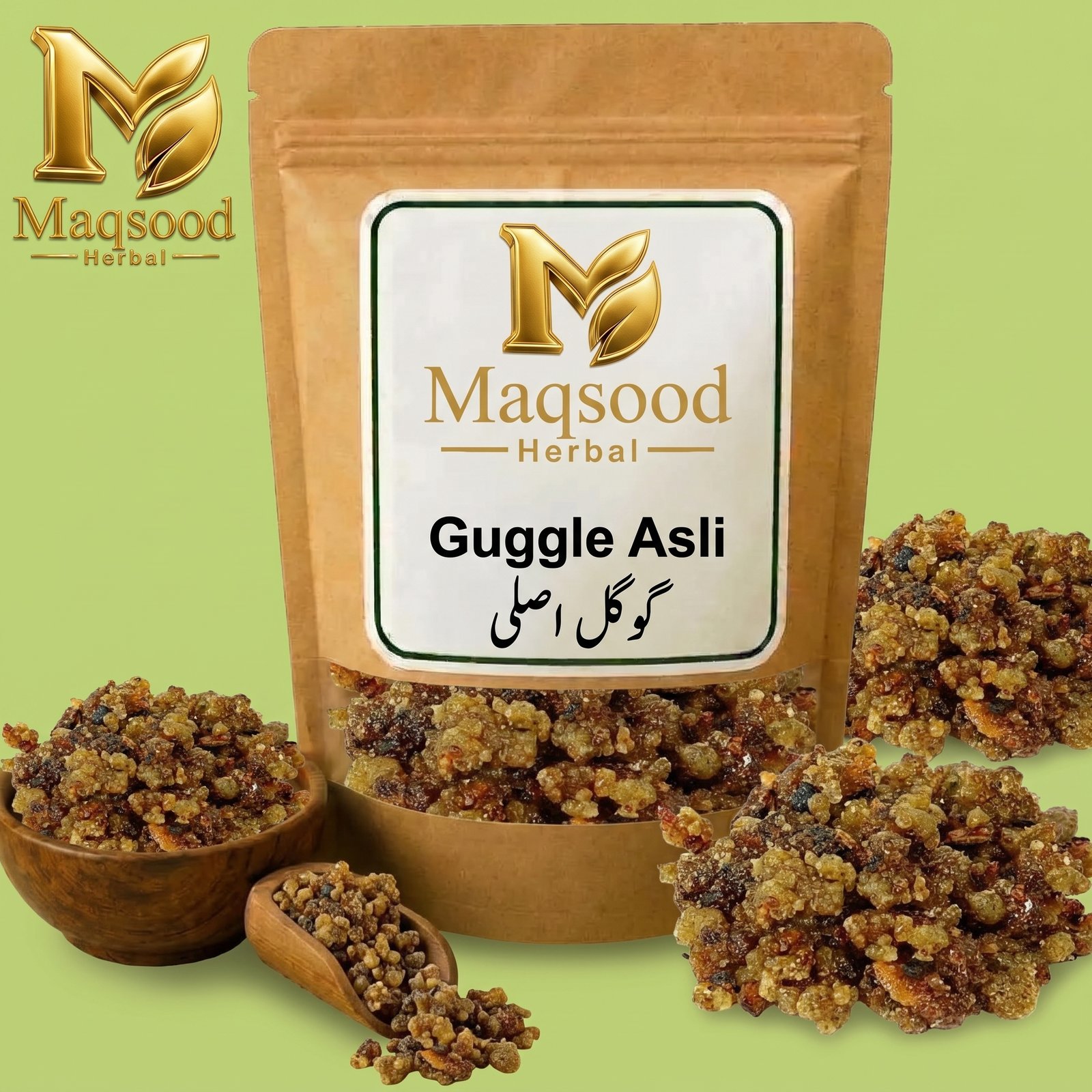
1. Guggul (گوگل)
Guggul is a resin from the Commiphora wightii tree and a classic ingredient in desi joint formulas. It is used in small amounts, often in combination with other herbs, under guidance. It is not suitable in pregnancy or with thyroid and blood thinning medicines without a doctor’s advice.
2. Methi Dana (میتھی دانہ)
Methi laddoo in winter is a much loved tradition for older family members. Soaked methi seeds in the morning are another common habit.
3. Haldi (ہلدی)
Haldi doodh at night is the most famous desi habit for body aches. A pinch of black pepper with haldi is traditionally added.
4. Suranjan (سورنجان)
Suranjan is a well known Unani herb for joint complaints. It is strong and should only be used under the guidance of a qualified hakeem.
5. Asgand Nagori (اسگند ناگوری)
Ashwagandha is traditionally used as a general strength tonic and appears in many joint formulas. Read our Ashwagandha guide.
Warm oil massage (maalish)
Gentle massage with warm til (sesame) oil or sarson (mustard) oil is a comforting tradition. Warm the oil slightly, massage the joint for 10 minutes in circular movements and cover it to keep warm. Do not massage a joint that is red, hot and very swollen. See our Herbal Oils.
Simple exercises for knee pain
- Straight leg raise: lie down, keep one leg straight and lift it slowly 20 cm. Hold 5 seconds. Repeat 10 times.
- Chair squat: stand up from a chair and sit down slowly without using your hands. Repeat 10 times.
- Walking: 20 to 30 minutes on flat ground daily.
Stop any exercise that causes sharp pain.
Diet and lifestyle
- Keep a healthy weight. Every extra kilogram adds pressure on the knees.
- Eat milk, yogurt, eggs, green vegetables and fish for strong bones.
- Get sunlight for vitamin D. Vitamin D deficiency is very common in Pakistan.
- For uric acid, reduce red meat, organ meat and sugary drinks, and drink plenty of water.
Frequently asked questions
Which oil is best for joint massage?
Til (sesame) oil and sarson (mustard) oil are the most traditional choices for warm massage.
Can I take guggul on my own?
Guggul is best used under the guidance of a hakeem or doctor, especially if you take other medicines or have thyroid problems.
When should I see a doctor for joint pain?
If a joint is red, hot and swollen, if pain started after an injury, if you have fever, or if pain does not improve in two weeks.
اردو خلاصہ
جوڑوں کا درد عمر، وزن، چوٹ یا گٹھیا کی وجہ سے ہو سکتا ہے۔ گوگل، میتھی دانہ، ہلدی، سورنجان اور اسگند ناگوری روایتی طور پر استعمال ہوتے ہیں۔ تل یا سرسوں کے نیم گرم تیل سے مالش آرام دیتی ہے۔ وزن کم رکھیں، دھوپ لیں اور ہلکی ورزش کریں۔ اگر جوڑ سرخ، گرم اور سوجا ہوا ہو یا بخار ہو تو فوراً ڈاکٹر سے رجوع کریں۔
Shop related products
Joint & Bone Care · Herbal Oils · Seeds & Tukhm
Not sure which herb is right for you? WhatsApp us at +92 301 7531564 (Daily, 9:00 AM to 9:00 PM) for free guidance from Hakeem Rizwan Maqsood.
Important: This guide shares traditional knowledge for general awareness. It is not medical advice and herbs are not a replacement for treatment. If you are pregnant, breastfeeding, taking any medicine or have a health condition, please consult your doctor first.

 Herbs & Jari Booti20 products
 Herbal Powders10 products
 Seeds & Tukhm7 products
 Spices & Pansar13 products
 Herbal Oils20 products
 Pure Honey1 product
 Murabba Jaat7 products
 Achar & Pickles3 products
 Dry Fruits & Superfoods4 products
 Herbal Tea & Qehwa9 products
 Tibb-e-Nabwi6 products
 Skin & Beauty13 products
 Hair Care14 products
 Pure Honey (Khalis Shehad)From Rs 2,500
 Kalonji Oil (Roghan Kalonji)From Rs 640
 Kashmiri Saffron (Zafran Kashmiri)From Rs 850
 Amla MurabbaFrom Rs 1,080