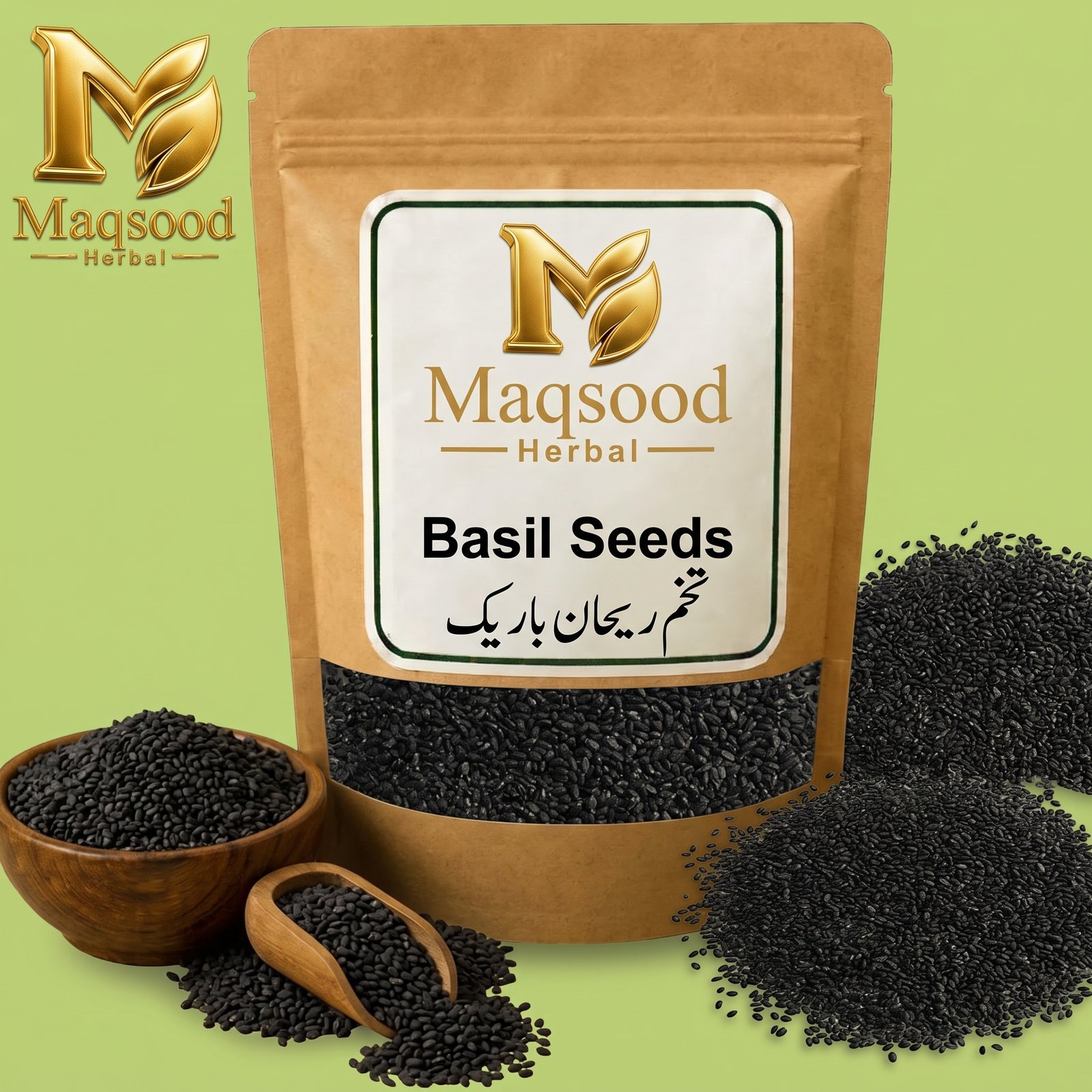
Kalonji (کلونجی), also called black seed or Nigella sativa, holds a special place in Muslim homes. It is one of the best known items of Tibb-e-Nabwi (طب نبوی), the foods and remedies mentioned in the Sunnah of the Prophet Muhammad (ﷺ). Many families keep kalonji and kalonji oil at home and use them daily with faith and care.
Kalonji in Tibb-e-Nabwi
A well known hadith in Sahih al-Bukhari describes black seed as a remedy for every illness except death. Because of this, Muslims around the world value kalonji highly and include it in their daily routine.
It is important to understand this with balance: kalonji is a blessed and useful food, but it does not replace medical treatment for serious illness.
Common ways people use kalonji
- With honey: 5 to 7 seeds with a spoon of pure honey in the morning is the most popular habit.
- In food: sprinkled on naan, paratha, salads, achar and daal.
- Kalonji qehwa: half a teaspoon of seeds boiled in a cup of water.
- Kalonji oil for hair: mixed with coconut oil and massaged into the scalp.
- Kalonji oil in food: a few drops with honey, only if the oil is food grade.
Kalonji seeds vs kalonji oil
- Seeds: easy to use in food, long shelf life, gentle.
- Oil: concentrated. Use only a few drops. Choose cold pressed oil and check that it is food grade before eating it.
How to check pure kalonji
Good kalonji seeds are jet black, small and triangular, with a strong, slightly bitter smell when crushed. Old stock loses its smell. Sometimes cheaper black seeds such as onion seeds are sold as kalonji. Real kalonji crushed between your fingers releases oil and a strong aroma.
Who should be careful
- Pregnant women should avoid large amounts of kalonji and kalonji oil.
- People on blood pressure, sugar or blood thinning medicine should ask their doctor before regular use.
- Always start with a small amount.
Other Tibb-e-Nabwi foods to know
Along with kalonji, pure honey, Ajwa dates, zaitoon (olive) oil, talbina (barley), sirka (vinegar) and Sana Makki are well known Sunnah foods. Read our guide to pure honey.
Frequently asked questions
How much kalonji should I take daily?
A common traditional amount is 5 to 7 seeds, or a quarter teaspoon, with honey. Start small.
Can kalonji oil be applied on hair?
Yes. Kalonji oil is commonly mixed with coconut oil and massaged into the scalp twice a week.
Is kalonji safe in pregnancy?
Small amounts in food are common, but pregnant women should avoid large amounts and kalonji oil unless their doctor agrees.
اردو خلاصہ
کلونجی طب نبوی کی مشہور ترین چیزوں میں سے ہے۔ صبح شہد کے ساتھ 5 سے 7 دانے، کھانوں میں، قہوے میں اور بالوں کے لیے کلونجی کا تیل عام استعمال ہیں۔ اصلی کلونجی گہری سیاہ ہوتی ہے اور مسلنے پر تیز خوشبو دیتی ہے۔ حاملہ خواتین اور بلڈ پریشر یا شوگر کی دوا لینے والے افراد زیادہ مقدار سے پہلے ڈاکٹر سے مشورہ کریں۔ کلونجی مفید غذا ہے مگر سنگین بیماری میں علاج کا متبادل نہیں۔
Shop related products
Tibb-e-Nabwi · Seeds & Tukhm · Herbal Oils · Pure Honey
Not sure which herb is right for you? WhatsApp us at +92 301 7531564 (Daily, 9:00 AM to 9:00 PM) for free guidance from Hakeem Rizwan Maqsood.
Important: This guide shares traditional knowledge for general awareness. It is not medical advice and herbs are not a replacement for treatment. If you are pregnant, breastfeeding, taking any medicine or have a health condition, please consult your doctor first.

 Herbs & Jari Booti20 products
 Herbal Powders10 products
 Seeds & Tukhm7 products
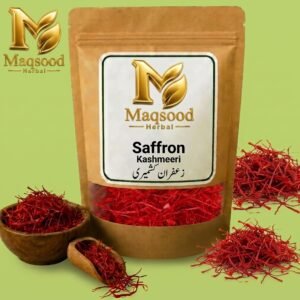 Spices & Pansar13 products
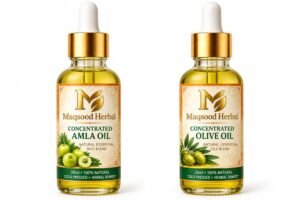 Herbal Oils20 products
 Pure Honey1 product
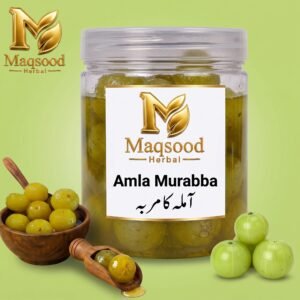 Murabba Jaat7 products
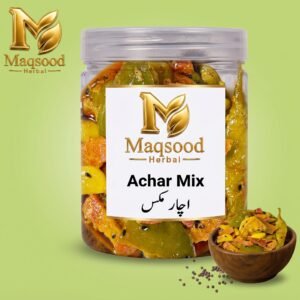 Achar & Pickles3 products
 Dry Fruits & Superfoods4 products
 Herbal Tea & Qehwa9 products
 Tibb-e-Nabwi6 products
 Skin & Beauty13 products
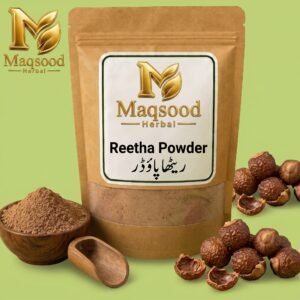 Hair Care14 products
 Pure Honey (Khalis Shehad)From Rs 2,500
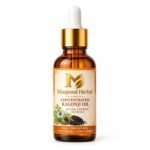 Kalonji Oil (Roghan Kalonji)From Rs 640
 Kashmiri Saffron (Zafran Kashmiri)From Rs 850
 Amla MurabbaFrom Rs 1,080