Qabz (قبض), or constipation, is one of the most common complaints in Pakistani homes. Low water intake, less fibre, long sitting hours and heavy, oily food all play a part. Before reaching for strong medicines, many families first try simple desi herbs that have been used for generations.
In this guide we explain six well known herbs, how people traditionally use them, and the lifestyle changes that make the biggest difference.
Why does qabz happen?
- Not drinking enough water, especially in summer
- Too little fibre from fruits, vegetables and whole grains
- Sitting for long hours and little walking
- Ignoring the urge to go to the toilet
- Some medicines, iron tablets and stress
6 desi herbs traditionally used for qabz
1. Isabgol (اسبغول) / Psyllium husk
Isabgol is the most popular choice in Pakistan. It is a natural fibre that soaks up water and makes stool soft and easy to pass. It is usually taken as 1 to 2 teaspoons in a full glass of water or milk at night. The most important rule: always drink plenty of water with Isabgol, otherwise it can make things worse.
2. Triphala (تری پھلا)
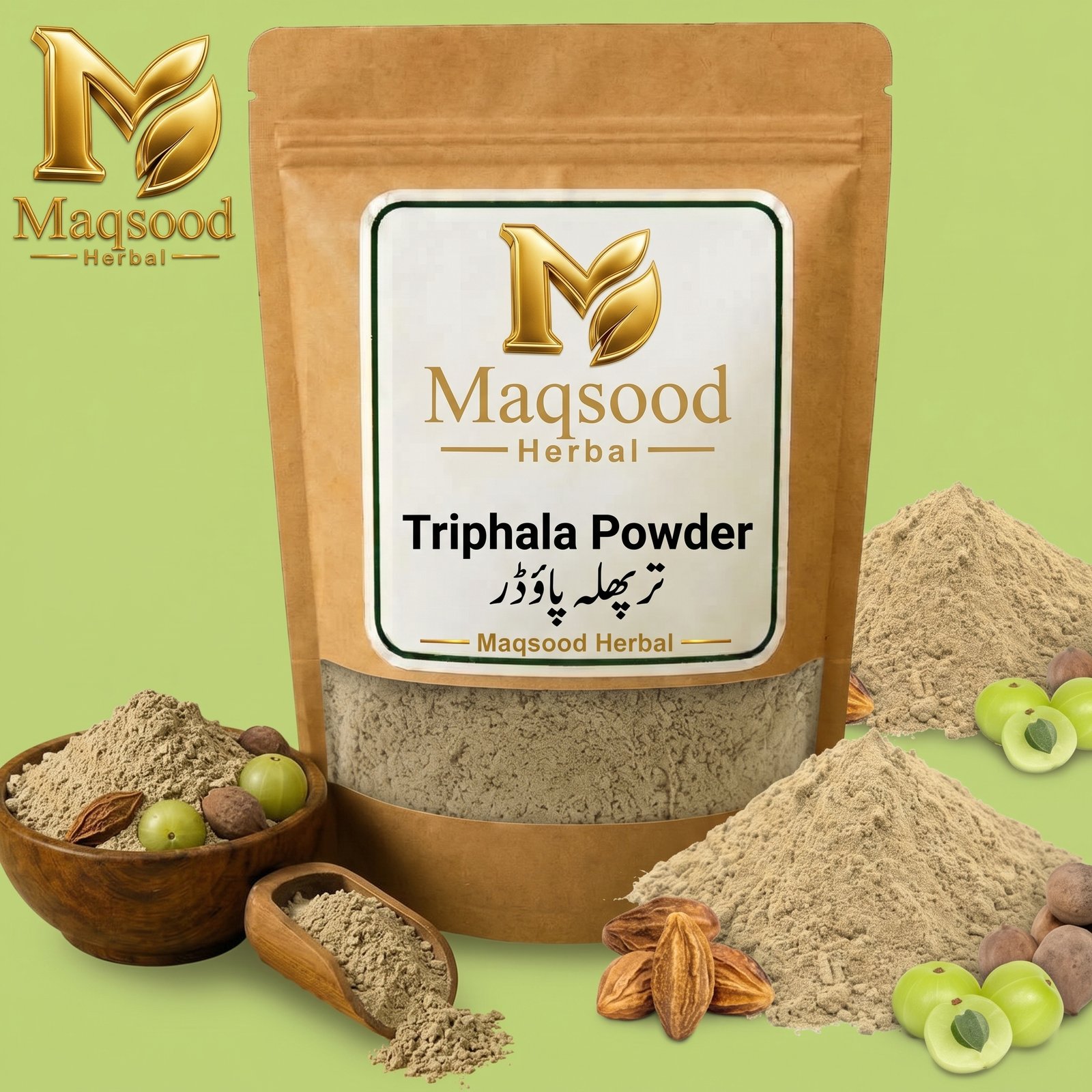
Triphala is a blend of three fruits: Amla, Harar and Baheda. It is traditionally taken at night with warm water. Many people like it because it is gentle and also supports overall digestion. Browse our herbal powders for fresh Triphala.
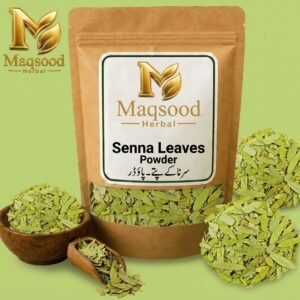
3. Sana Makki (سنا مکی) / Senna leaves
Sana Makki is a strong herb mentioned in Tibb-e-Nabwi. It works faster than Isabgol, so it is used only for short periods, not daily. Long term use of senna is not advised, and it is not suitable for children, pregnant women or people with stomach disease without a doctor’s advice.
4. Saunf (سونف) / Fennel seeds
Saunf is chewed after meals in almost every Pakistani home. It helps with gas and heaviness, which often come with qabz. Saunf qehwa (boil one teaspoon in a cup of water) is a gentle evening drink.
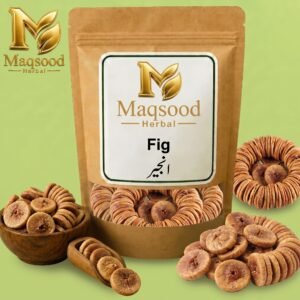
5. Anjeer (انجیر) / Dried figs
Two or three dried figs soaked overnight in water and eaten in the morning is a much loved desi habit. Figs are rich in fibre and naturally sweet. Find them in our dry fruits section.
6. Aloo Bukhara (آلو بخارا) / Prunes
Soaked prunes are another tasty, natural option. Eat 4 to 5 soaked prunes, or drink the soaking water, in the morning.
Daily habits that help more than any herb
- Drink 8 to 10 glasses of water a day
- Eat fruit, salad and daal every day
- Walk for 20 to 30 minutes, ideally after dinner
- Sit on the toilet at the same time every morning
- Reduce maida, fried food and very spicy food
When to see a doctor
Please see a doctor if qabz lasts more than two weeks, if you notice blood in stool, sudden weight loss, severe stomach pain, or if it started after a new medicine. These can be signs of a problem that needs proper treatment.
How to check the quality of these herbs
- Isabgol: good husk is light, clean and off white, with no dust, stones or bad smell. When you mix it in water it should swell into a smooth gel within a few minutes.
- Triphala: the powder should be fine, brownish and slightly sour and bitter in taste. A very dark or sandy powder can be old or mixed.
- Sana Makki: the leaves should be greenish, not black or dusty. Old, crushed leaves lose quality.
- Anjeer and Aloo Bukhara: should be soft, clean and free from fungus or insects.
A simple 7 day routine to get back on track
- Morning: a glass of warm water as soon as you wake up, then 2 soaked anjeer or 4 soaked prunes.
- Breakfast: whole wheat roti or daliya instead of maida, with fruit such as papaya or guava.
- Lunch: daal, sabzi and a salad. Keep oily and fried food low.
- Evening: a 20 minute walk and a cup of saunf qehwa.
- Night: 1 to 2 teaspoons of Isabgol in a full glass of water or milk, followed by one more glass of water.
Most people notice a difference within a few days of drinking more water and adding fibre. If there is no change after two weeks, please see a doctor.
Common myths about qabz
- Myth: “You must go to the toilet every day.” Fact: anything from three times a day to three times a week can be normal. What matters is comfort and a change from your usual pattern.
- Myth: “Strong laxatives are fine every day.” Fact: daily strong laxatives, including herbal ones like senna, can make the bowel lazy over time.
- Myth: “More Isabgol works faster.” Fact: too much Isabgol without enough water can cause bloating and make qabz worse.
Foods that help and foods to reduce
Eat more: papaya, guava, apples with skin, pears, spinach, daal chana, whole wheat atta, oats, yogurt and plenty of water.
Reduce: maida (naan, white bread, bakery items), too much tea, fried snacks, processed meat and very spicy food.
اردو خلاصہ
قبض عام طور پر پانی کی کمی، فائبر کی کمی اور کم چلنے پھرنے کی وجہ سے ہوتی ہے۔ اسبغول، تری پھلا، سونف، انجیر اور آلو بخارا روایتی طور پر استعمال کیے جاتے ہیں۔ سنا مکی صرف چند دن کے لیے استعمال کریں۔ روزانہ زیادہ پانی پئیں، سبزیاں اور پھل کھائیں اور چہل قدمی کریں۔ اگر قبض دو ہفتے سے زیادہ رہے یا پاخانے میں خون آئے تو ڈاکٹر سے ضرور رجوع کریں۔
Frequently asked questions
Which is better for qabz, Isabgol or Triphala?
Isabgol is a fibre and works by softening the stool, so it suits daily use with plenty of water. Triphala is a herbal blend traditionally used at night. Many people start with Isabgol. If you are unsure, ask us on WhatsApp.
Can I take Sana Makki every day?
No. Sana Makki is strong and is traditionally used only for a few days at a time. Daily long term use is not recommended.
Is Isabgol safe for children?
Small amounts are commonly used, but please ask your child’s doctor for the right quantity.
Shop related products
Digestive Care · Herbal Powders · Tibb-e-Nabwi · Dry Fruits
Not sure which herb is right for you? WhatsApp us at +92 301 7531564 (Daily, 9:00 AM to 9:00 PM) for free guidance from Hakeem Rizwan Maqsood.
Important: This guide shares traditional knowledge for general awareness. It is not medical advice and herbs are not a replacement for treatment. If you are pregnant, breastfeeding, taking any medicine or have a health condition, please consult your doctor first.

 Herbs & Jari Booti20 products
 Herbal Powders10 products
 Seeds & Tukhm7 products
 Spices & Pansar13 products
 Herbal Oils20 products
 Pure Honey1 product
 Murabba Jaat7 products
 Achar & Pickles3 products
 Dry Fruits & Superfoods4 products
 Herbal Tea & Qehwa9 products
 Tibb-e-Nabwi6 products
 Skin & Beauty13 products
 Hair Care14 products
 Pure Honey (Khalis Shehad)From Rs 2,500
 Kalonji Oil (Roghan Kalonji)From Rs 640
 Kashmiri Saffron (Zafran Kashmiri)From Rs 850
 Amla MurabbaFrom Rs 1,080